
- All
- Product Name
- Product Keyword
- Product Model
- Product Summary
- Product Description
- Multi Field Search
Views: 0 Author: Site Editor Publish Time: 2025-12-29 Origin: Site


Die cutting is crucial for creating precise shapes in industries like packaging and textiles. A die cutting machine allows businesses to craft custom designs from materials such as paper, cardboard, and fabric.Choosing the right die cutting machine is vital to optimizing costs and efficiency. This article will help you decide when to choose a manual die cutting machine over an automated system, exploring the benefits and key factors to consider.
A die cutting machine is a device used to cut materials into specific shapes using a die, a tool made from a material like steel or brass. The die is pressed onto the material, creating a cut with a particular pattern or design. This process is widely used in packaging, crafting, custom manufacturing, and more.
● Manual Die Cutting Machines: These machines require an operator to physically apply pressure to a die, pressing it onto the material to make the cut. The manual system gives the operator more control and is typically used for smaller production runs or customized orders.
● Automated Die Cutting Machines: These machines use motors and robotics to operate the die. The process is automated, which allows for faster production, especially in high-volume settings. However, automated machines often require substantial investment, specialized software, and are less flexible when it comes to custom orders.
Feature | Manual Die Cutting Machine | Automated Die Cutting Machine |
Speed | Slower, ideal for small runs | Faster, ideal for large runs |
Cost | Lower upfront investment | High upfront investment |
Flexibility | High flexibility for custom jobs | Limited flexibility without custom programming |
Maintenance | Lower maintenance costs | Higher maintenance costs |
Manual die cutting machines offer high precision when it comes to cutting materials into complex shapes. The operator has the flexibility to make slight adjustments in real-time, which is particularly useful for custom jobs that require intricate details. Businesses that rely on producing unique, custom designs—such as packaging, custom labels, and promotional products—benefit from the precision that manual die cutting machines provide.
Manual die cutting machines are significantly less expensive than automated systems. They do not require high initial investments, expensive software, or complicated maintenance plans. This makes manual machines more accessible for small businesses, startups, or those with limited budgets, allowing them to enter the custom manufacturing market without significant financial strain.
Manual die cutting machines are ideal for small to medium production runs. Unlike automated systems, which are built for high-volume, repetitive tasks, manual machines are designed to handle smaller orders with less waste and lower overhead. For instance, if a business regularly handles custom orders for limited editions or unique product lines, a manual die cutting machine allows for low-cost, high-quality production without the need for mass production capacity.
One of the significant advantages of manual die cutting machines is their quick setup time. Switching between different designs can be done quickly with manual machines. This is especially helpful when a company needs to meet tight deadlines for custom orders or promotional materials. In contrast, automated systems can have longer setup times due to the need for software adjustments and system programming.
Production Volume | Manual Die Cutting Machine | Automated Die Cutting Machine |
Small Batches | Cost-effective, fast setup | Not cost-effective for small runs |
High Volume | Slower but suitable for smaller runs | Fast and efficient for large runs |
Customization | Excellent for custom designs | Limited customization options |
Manual die cutting machines excel in cutting intricate, detailed designs. For businesses that specialize in custom-shaped products—like bespoke packaging, detailed labels, or promotional materials—manual machines provide the flexibility to produce complex designs without the need for specialized programming. The operator can adjust the pressure and alignment of the die to ensure that each piece is cut precisely, making manual machines ideal for unique and high-precision tasks.
One of the key advantages of manual die cutting machines is their flexibility for design changes. When custom orders require a sudden design tweak, manual systems allow operators to make adjustments quickly without requiring a significant reconfiguration of the machine. This is much harder to achieve with automated systems, which can require downtime for reprogramming and recalibration.
Manual die cutting machines have a much lower initial investment compared to automated systems. Small businesses that are just starting out or those with limited production runs can afford to purchase manual machines without putting a strain on their budgets. In contrast, automated systems can have high upfront costs, making them impractical for businesses that don’t need mass production capabilities.
Manual die cutting machines are more cost-effective to operate over time. They consume less energy and require fewer maintenance resources compared to automated systems. Small businesses can benefit from this lower operational cost, especially when dealing with custom, small-batch orders. Additionally, the machines are simple to use, reducing the need for specialized operators and training programs.
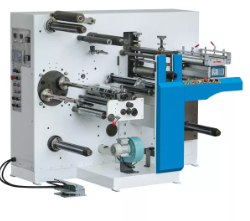
Manual die cutting machines offer great flexibility in production. Operators can quickly switch between different designs, materials, and cutting patterns, which makes them ideal for businesses offering a wide range of custom products. This adaptability is key for industries that require personalized or seasonal items, allowing them to respond quickly to market demand.
Manual die cutting machines are designed with fewer moving parts than automated systems, which reduces the likelihood of breakdowns. Regular maintenance typically includes simple tasks like cleaning the machine, checking the dies for wear, and lubricating moving components. This simplicity results in lower maintenance costs and less downtime.
Manual die cutting machines do not require expensive software, robotics, or a large team of technicians to operate. Their low cost of operation makes them ideal for smaller businesses that are looking to keep overheads low. The process is straightforward, and operators can easily be trained to use the machine effectively.
Manual die cutting machines offer greater precision for custom orders. Operators have more control over the process, allowing them to ensure that every piece is cut to exact specifications. This level of quality control is essential for industries that require high-quality finished products, such as custom packaging or promotional items.
● Manual Die Cutting Machines: Manual die cutting machines are an excellent option for businesses that have limited capital or are just starting out. These machines come with a significantly lower upfront cost compared to automated systems, making them a more accessible choice for small businesses, startups, or those working on smaller production runs. The simplicity of the machine means that businesses do not need to invest heavily in expensive technology, complex software, or robotics. This affordability is crucial for smaller manufacturers who may not have the financial resources to invest in highly automated systems, allowing them to enter the custom manufacturing market with minimal investment while still achieving high-quality results. Additionally, manual die cutting machines tend to have lower maintenance costs, and their easy operation makes them ideal for small teams or less-experienced operators.
● Automated Die Cutting Machines: On the other hand, automated die cutting machines are designed for high-volume production, making them suitable for large-scale manufacturers that require fast, efficient, and consistent output. However, these systems come with a higher initial investment, which includes the costs for advanced robotics, automated material handling, and specialized software for programming and operation. The complexity of the setup process also adds to the overall cost, and businesses often need to hire highly skilled operators to manage these systems. For smaller businesses with fluctuating demand or low production volumes, the high upfront costs and maintenance expenses associated with automated die cutting machines may not be justifiable. The need for constant high-volume production is often the key factor that makes automated systems worthwhile for large manufacturers. For those focused on custom designs or smaller batches, manual die cutting machines can be a more cost-effective and flexible choice.
● Manual Die Cutting Machines: Although slower than automated machines, manual die cutting systems provide greater flexibility, making them ideal for businesses that require frequent changes between designs. The ability to quickly switch out dies and adjust settings ensures that manual machines can accommodate varying orders without significant downtime. This flexibility is crucial for custom manufacturing, where design complexity and frequent changes are common. Additionally, manual systems offer better control over quality, as operators can directly monitor and adjust the cutting process, ensuring precision for intricate or custom jobs. While they may take more time for each batch, manual die cutting machines allow businesses to produce highly detailed designs without sacrificing quality, making them a valuable option for smaller, customized production runs.
● Automated Die Cutting Machines: Automated die cutting machines are significantly faster than their manual counterparts, making them ideal for handling large production volumes. These machines can produce high quantities of products quickly, which is essential for businesses that focus on mass production or repetitive orders. However, the speed of automated systems comes at a cost: they require substantial setup time. This setup includes programming, material handling adjustments, and calibration, which can lead to longer lead times before production begins. Automated die cutting systems are best suited for manufacturers that focus on high-volume production and standardized designs, where the benefits of speed and efficiency outweigh the need for customization or frequent design changes. While automated machines excel in high-volume, repetitive tasks, they may struggle with flexibility or complex, custom orders without additional programming or adjustments.
● Manual Die Cutting Machines: Manual die cutting systems excel at creating intricate, customized cuts, making them the go-to choice for businesses focused on producing unique designs. Operators can make real-time adjustments during the production process, such as fine-tuning the pressure or switching out dies to accommodate different shapes and materials. This flexibility is crucial for meeting unique customer demands, especially when producing custom products like personalized packaging, bespoke labels, or one-off promotional items. Manual systems allow for more hands-on control, ensuring that each product is crafted to the highest standards of precision. This level of customization and control is difficult to replicate with automated machines, especially when dealing with complex or highly detailed designs.
● Automated Die Cutting Machines: While automated die cutting systems provide consistent precision and efficiency, they are often limited in their ability to create highly customized designs without additional programming or specialized software. Automated machines are designed for speed and consistency, which makes them ideal for mass production of standardized shapes and designs. However, when it comes to producing intricate or unique designs, automated systems require time-consuming setup processes, including software programming and adjustments to accommodate changes in design. For businesses that require frequent design alterations or customized orders, automated die cutting machines may not be as efficient without specialized tools or additional programming, making manual die cutting a more suitable option for intricate or customized projects.
To get the best results from a manual die cutting machine, investing in operator training is essential. A well-trained operator can ensure that the machine is set up correctly, adjustments are made quickly, and quality standards are maintained throughout production.
Routine maintenance is necessary to extend the lifespan of your manual die cutting machine. Regularly inspect the machine for any wear and tear, clean the dies, and lubricate the moving parts. This helps reduce downtime and ensures the machine runs smoothly over time.
Efficient material handling is crucial for reducing waste and maximizing production efficiency. Operators should ensure that materials are loaded correctly and aligned properly before cutting to prevent unnecessary material waste. Implementing a streamlined material management process can lead to significant cost savings over time.
In conclusion, choosing between a manual and an automated die cutting machine depends on various factors such as your production volume, design complexity, and budget. Manual die cutting machines are ideal for businesses focusing on custom designs or smaller production runs, as they offer flexibility, precision, and affordability. While automated systems are better suited for high-volume production, they come with higher initial investments and more operational complexity. Therefore, it's crucial to evaluate your specific needs and production goals to determine which option is best for your business. For businesses looking for expert guidance, reaching out to die cutting machine suppliers like HENYUE Printing Machinery can help ensure you select the right solution to maximize your return on investment and optimize your production processes.
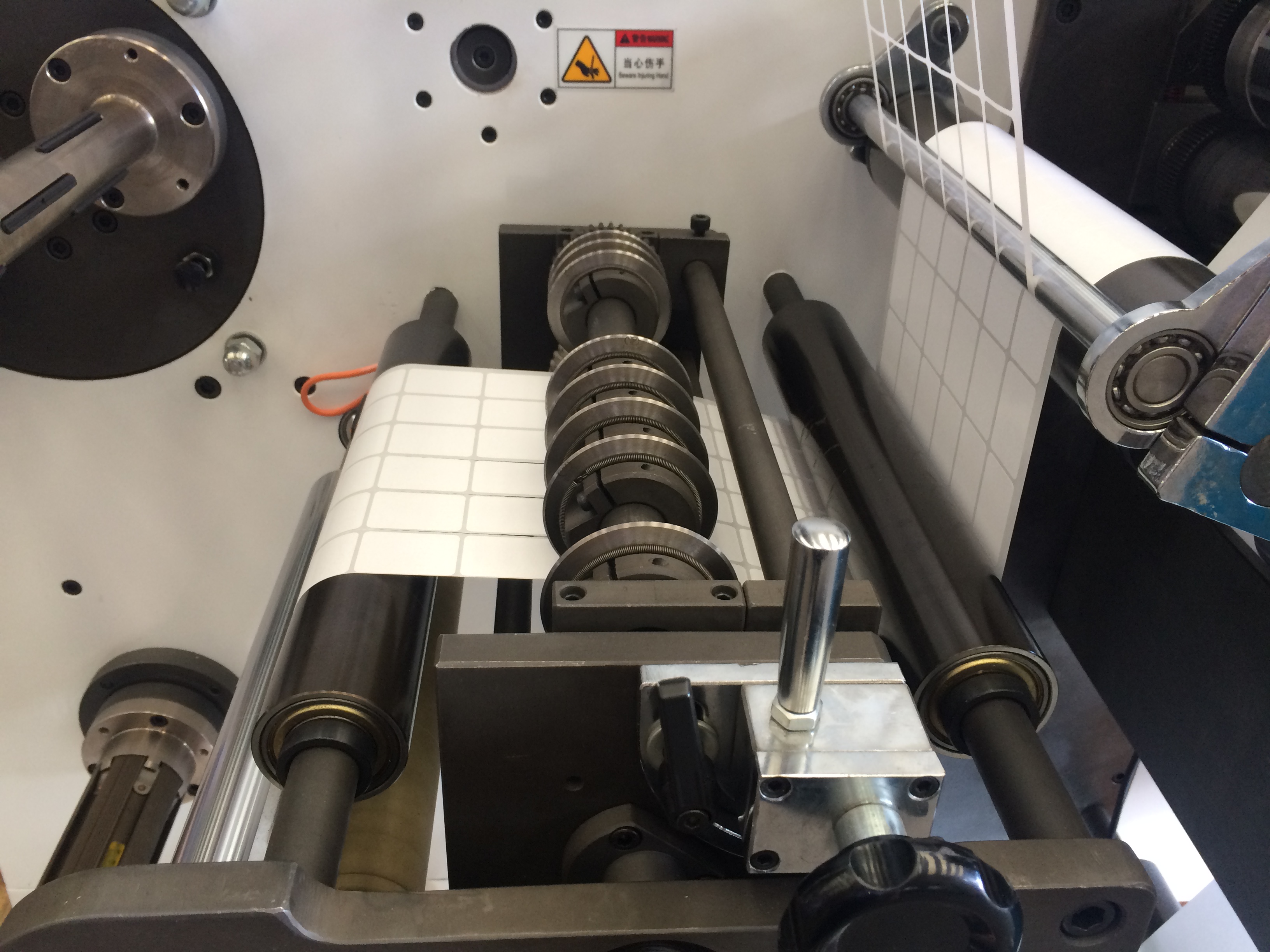
A: A die cutting machine uses a custom die to cut materials into precise shapes. In manual systems, the operator applies pressure to the die, making it ideal for custom orders and smaller production runs.
A: A manual die cutting machine is cost-effective for low-volume production, provides greater flexibility for custom designs, and offers lower upfront and operational costs compared to automated systems.
A: A manual die cutting machine is ideal when your business deals with small to medium production volumes, intricate custom designs, or frequent design changes that require quick adjustments.
A: Regular cleaning, lubrication, and die inspection are crucial for maintaining the die cutting machine. With minimal components, manual machines are easier and cheaper to maintain compared to automated systems.


