
- All
- Product Name
- Product Keyword
- Product Model
- Product Summary
- Product Description
- Multi Field Search
Views: 0 Author: Site Editor Publish Time: 2025-12-22 Origin: Site


Die cutting technology is revolutionizing custom manufacturing with precision and flexibility. Whether it’s for packaging, labels, or custom shapes, a die cutting machine ensures high-quality results. Manual die cutting machines offer more control and flexibility compared to automated systems. In this article, we will explore how these machines reduce costs, improve efficiency, and enhance customization in small batch production.
A die cutting machine uses a die, a sharp-edged blade, to cut materials into precise shapes. These machines are commonly used for cutting paper, fabric, cardboard, and other materials into custom shapes or patterns. Manual die cutting machines are operated by hand, offering greater control over the cutting process and are often used for smaller, custom orders.
● Manual Die Cutting Machines: Operated by hand, providing more flexibility and lower setup costs for custom designs.
● Automatic Die Cutting Machines: These are faster and more efficient for high-volume production but come with higher initial and operational costs.
● Digital Die Cutting Machines: Use computer software for precise cutting, often employed in intricate designs or high-volume production.
Manual die cutting machines excel in small-scale, custom manufacturing due to their flexibility and low costs. For companies dealing with unique designs and smaller batches, these machines provide a perfect solution that is both efficient and economical.
One of the major advantages of manual die cutting machines is the ability to create custom designs without the need for complex software or programming. You can easily change the die and adjust settings to create a wide variety of shapes and sizes, making these machines ideal for custom manufacturing.
Manual die cutting machines provide the ability to quickly switch from one design to another, offering businesses the flexibility to cater to different customer demands. Whether you need to create a specific shape or design, manual die cutting allows you to adjust quickly without incurring significant setup costs.
Manual die cutting machines require less setup time than automated systems, allowing businesses to adjust quickly between different orders. This not only reduces the initial investment but also lowers overhead costs, making it an ideal choice for companies with variable production runs or custom requirements.
For small businesses and startups, the cost savings of reduced setup time can be significant. Since manual machines don’t require extensive programming or system adjustments, you can move quickly from one project to the next, minimizing downtime and enhancing overall productivity.
Manual die cutting machines are significantly more affordable than their automated counterparts. The lower initial investment makes them ideal for small businesses, startups, or companies that work with small or custom orders.
Manual die cutting machines can be purchased for a fraction of the cost of an automated system. This lower cost barrier makes them accessible to small manufacturers who don’t have the resources to invest in large-scale machinery.
Manual machines also have lower operational costs. They consume less energy than automated machines and require less frequent maintenance, further reducing ongoing expenses. For businesses focusing on low-volume production, manual die cutting machines present a cost-effective option.
Manual machines are more energy-efficient compared to automated machines, which require constant power for operation. With manual machines, power consumption is minimal, leading to reduced energy bills.
Manual die cutting machines are known for their precision, which significantly reduces material waste. By ensuring accurate cuts, businesses can maximize the use of their materials and minimize scrap.
The ability to create exact, clean cuts is essential in reducing waste. With manual die cutting, you can ensure that the material is used efficiently, with minimal leftover or unusable parts, which in turn reduces material costs and maximizes profitability.
Manual die cutting allows for adjustments to the die, ensuring that materials of varying thickness and type are handled properly. This adaptability helps manufacturers optimize material usage, reducing waste and costs associated with buying additional materials.
Being able to use a range of materials efficiently is a key factor in custom manufacturing. Manual die cutting machines are versatile enough to work with various material types, whether it's cardboard, paper, or plastic, allowing manufacturers to cater to diverse customer needs while minimizing material waste.
Manual die cutting machines have fewer moving parts than automated systems, which means they generally require less maintenance. This results in lower maintenance costs and less downtime, keeping the production line running smoothly.
With fewer complex components, manual die cutting machines tend to have a longer lifespan and require less frequent repairs. This is a significant cost-saving factor for businesses, particularly in industries that rely on efficient, low-cost production methods.
The durability of manual die cutting machines, particularly those built from high-quality materials like steel or cast iron, ensures long-term use without the frequent repairs that are often required with automated systems.
Investing in a well-built manual die cutting machine can lead to long-term savings by reducing repair costs, downtime, and the need for machine replacements. This reliability makes manual machines an attractive option for custom manufacturers who need a dependable solution.
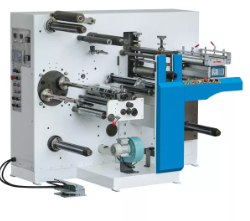
Manual die cutting machines allow for fast and easy die changes, which means manufacturers can quickly switch between different designs. This flexibility is crucial for businesses that handle multiple orders or work with custom specifications.
For custom manufacturing, quick adjustments and design changes are critical for meeting customer deadlines and demands. Manual die cutting machines allow businesses to easily adapt to changes without waiting for lengthy machine setups or recalibrations.
Manual die cutting machines provide businesses the ability to meet specific customer needs. Whether it’s custom shapes, sizes, or small runs, manual machines allow manufacturers to deliver high-quality, custom products with minimal lead time.
This adaptability makes manual die cutting an ideal choice for companies serving clients with specific design requirements. It allows them to produce tailored products in shorter timeframes, ensuring greater customer satisfaction.
Manual die cutting machines can work with a variety of materials, including paper, cardboard, plastic, and fabric. This versatility makes them ideal for custom manufacturing, as businesses can cater to different market demands without purchasing multiple machines.
Whether your custom manufacturing requires intricate designs in paper for packaging or more robust materials for containers, manual die cutting machines allow you to handle various materials with ease.
Manual die cutting is particularly effective for small runs or prototypes, where customization is key. Unlike automated machines that are better suited for large-volume production, manual machines offer the flexibility to produce small batches without incurring high setup costs.
Prototypes and small batch orders often require adjustments to design or materials. Manual die cutting provides businesses with the flexibility to test new concepts without incurring excessive costs or waiting for large-scale setups.
Small businesses or those serving niche markets can benefit greatly from manual die cutting machines. These machines allow manufacturers to cater to low-volume, custom orders, providing a competitive edge in markets that value uniqueness and customization.
Manual die cutting machines can help businesses enter niche markets by offering personalized and unique products. Whether it’s limited-edition packaging or custom promotional items, these machines make it possible to cater to specialized demands without the burden of high overhead costs.
Manual die cutting machines can be set up quickly, reducing turnaround times compared to automated systems. This is beneficial for businesses that need to deliver custom orders quickly, such as limited-edition packaging or special event products.
Factor | Manual Die Cutting Machines | Automated Die Cutting Machines |
Upfront Cost | Low | High |
Operational Costs | Low (Energy, Maintenance) | High (Energy, Labor, Repairs) |
Setup Time | Short and Flexible | Longer and more complex |
Design Customization | Highly customizable | Limited flexibility |
Ideal for | Small batches, prototypes | Large scale, high volume production |
Manual die cutting machines have a lower initial cost compared to automated machines. This makes them a more accessible option for small and medium-sized businesses that do not have the capital to invest in high-cost automated systems.
While automated machines may have higher efficiency and speed, they come with higher energy costs, maintenance, and repair expenses. Manual die cutting machines, on the other hand, are more affordable to operate, especially for businesses with lower production volumes.
Manual die cutting machines are more adaptable to custom orders. Unlike automated machines, which require complex programming and setup changes, manual machines can quickly adjust to a variety of shapes and sizes, allowing manufacturers to be more responsive to customer needs.
Manual die cutting handles intricate and complex designs better than automated machines. Automated systems may struggle with detailed cuts without expensive software, while manual systems offer the flexibility to execute custom cuts with precision.
Manual die cutting machines can make more efficient use of materials, cutting down on scrap and waste. This reduces the need for additional raw materials and contributes to more sustainable manufacturing practices.
With precision cutting, manual die cutting machines allow businesses to reuse leftover material for other projects, further reducing waste and promoting a circular economy.
Manual die cutting machines require less energy than automated machines. This makes them more energy-efficient and environmentally friendly, as they contribute less to the overall carbon footprint of production processes.
By reducing material waste and energy consumption, manual die cutting machines help businesses implement more sustainable manufacturing practices that align with eco-conscious business goals.
Manual die cutting machines may experience material jams or misalignment issues. Regular inspection and proper die calibration can help prevent these issues from affecting the production process.
If the pressure isn’t set properly, manual die cutting machines may produce uneven cuts. Ensuring uniform pressure and checking the alignment regularly will help avoid this problem.
Cleaning and lubricating the machine regularly can help prevent malfunctions and ensure smooth operation. This extends the machine’s life and reduces the need for repairs.
Frequent inspections of the dies will ensure that worn or damaged parts are replaced before they affect the machine's performance, helping maintain cutting precision.
Manual die cutting machines offer businesses the ability to produce high-quality, custom products at an affordable cost. Their flexibility, cost efficiency, and ease of use make them a valuable tool in small-batch production and custom manufacturing.Before investing in a die cutting machine, carefully evaluate your business's production needs, including design flexibility, material compatibility, and budget. For expert advice, contact a trusted supplier like HENYUE Printing Machinery, which can provide tailored solutions for your custom manufacturing needs.
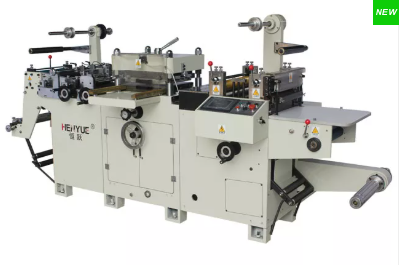
A: A die cutting machine uses a custom die to cut materials into precise shapes. In custom manufacturing, manual die cutting machines provide flexibility, allowing manufacturers to create unique designs for small or custom orders.
A: Manual die cutting machines enhance flexibility by allowing quick adjustments for different designs. They are cost-effective, especially for small batches, reducing setup time and operational costs compared to automated systems.
A: Manual die cutting machines offer precise, custom designs, lower initial costs, faster setup, and flexibility for small batch production, making them perfect for niche markets and prototyping.


