
- All
- Product Name
- Product Keyword
- Product Model
- Product Summary
- Product Description
- Multi Field Search
Views: 0 Author: Site Editor Publish Time: 2025-12-24 Origin: Site


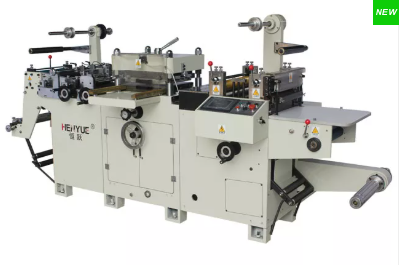
Die cutting is essential for precise, intricate designs in industries like packaging and textiles. A die cutting machine ensures efficient cutting of various materials, including paper, cardboard, and fabric.Integrating a manual die cutting machine into your production line can boost efficiency, reduce costs, and offer flexibility for custom orders. In this article, we’ll guide you through the process of seamlessly integrating this machine into your operations for optimal results.
A manual die cutting machine is a mechanical device that uses a custom-made die to cut materials into specific shapes. The operator manually applies pressure to the die, which presses the material into a precise shape. This method offers high levels of control over the cutting process, making it ideal for custom or low-volume production runs.
While automated die cutting machines are designed for high-volume, repetitive tasks, manual machines are better suited for low-to-medium production runs. Automated machines require more significant initial investment, as well as specialized software and systems, but they are faster and more efficient at large-scale production. In contrast, manual die cutting machines offer greater flexibility, require less upfront cost, and can easily be adjusted for different designs or material types.
Factor | Manual Die Cutting Machines | Automated Die Cutting Machines |
Upfront Cost | Low | High |
Operational Costs | Low (Energy, Maintenance) | High (Energy, Labor, Repairs) |
Setup Time | Short and Flexible | Longer and more complex |
Design Customization | Highly customizable | Limited flexibility |
Ideal for | Small batches, prototypes | Large scale, high-volume production |
Manual die cutting machines offer exceptional precision, making them ideal for producing highly detailed or custom designs. Operators have more control over the cutting process, allowing for adjustments to the pressure and alignment as needed. This is particularly important for businesses offering tailored products, such as custom packaging, intricate labels, or limited-edition designs.
Manual die cutting machines are significantly more affordable than their automated counterparts. These machines have lower initial costs, making them an ideal choice for small businesses, startups, or manufacturers with fluctuating production volumes. Additionally, manual machines have fewer parts that can break down, which reduces repair costs.
Manual die cutting machines can work with a wide range of materials, including paper, cardboard, fabric, plastics, and even thin metals. This versatility allows manufacturers to accommodate various production needs, making manual die cutting machines highly flexible across industries like packaging, textiles, and custom manufacturing.
The first step in integrating a manual die cutting machine is assessing whether it's suitable for your production volume. Manual die cutting machines excel in small-to-medium-volume runs. They are ideal for businesses that don’t require mass production capabilities but need flexibility and precision for small batches or customized orders. If your business deals with larger-scale operations, you might need to balance manual die cutting with automated systems.
The complexity of your designs will also determine whether a manual die cutting machine is the right choice. For intricate, detailed designs, manual die cutting machines provide the accuracy needed to achieve high-quality cuts. If your products require high volumes of simple designs, automated machines might be a better fit.
Different manual die cutting machines are designed to handle different materials. Review the materials you’ll be cutting regularly—whether paper, cardboard, or fabric—and ensure that the machine you select can handle these materials efficiently. For example, some machines are better suited for cutting thick materials, while others are more effective with lighter, thinner materials. Make sure to select a machine with the right pressure settings and die compatibility for your materials.
When selecting a manual die cutting machine, keep the following features in mind:
● Adjustable pressure: Allows for better control over different material types, ensuring clean cuts.
● Easy die changes: Reduces downtime and allows for quick adjustments between production runs.
● Durable construction: Machines made with high-quality materials, such as steel, ensure longevity and reduce repair costs over time.
● Size and design options: Consider whether the machine can accommodate various die sizes and designs for different production runs.
Ensure there’s enough space in your production area to accommodate the manual die cutting machine and store materials, dies, and other tools. A clutter-free, organized workspace is essential for maintaining efficiency and reducing setup times. Additionally, provide proper ventilation if needed and ensure that power outlets and other resources are available.
Training is key to successful integration. Your team must know how to operate the die cutting machine, switch dies, load materials, and troubleshoot common issues. Proper training will reduce the risk of errors, improve productivity, and ensure a smooth workflow. Regular skill-building workshops can help your team stay updated on best practices.
Proper setup of the manual die cutting machine is critical for ensuring precision and operational efficiency. Install the machine in a suitable location, secure it to the floor if necessary, and ensure it’s level to avoid misalignment during operation. Calibration involves adjusting the pressure and ensuring the die is aligned with the material.
After installation, conduct test runs to fine-tune the machine’s settings. Adjust the pressure based on the material you’re cutting, and make sure the die is aligned correctly for clean, precise cuts. Test runs allow you to detect any issues before starting full-scale production.
Manual die cutting machines work best for batch production. Organize your workflow to minimize downtime and maximize throughput. For each custom order, set up the machine with the appropriate die and material. Having an organized process ensures smooth transitions between jobs and reduces inefficiencies.
Action | Description |
Organize Materials | Group materials by type and ensure easy access to reduce material handling time. |
Minimize Setup Time | Use quick-change dies to reduce downtime between jobs, ensuring faster turnaround times. |
A key to increasing efficiency with manual die cutting machines is material management. Store raw materials in a manner that minimizes handling time. Cut materials in optimal sizes to avoid waste, and ensure that the machine is always loaded with the correct amount of material for each run.
Like any machine, regular maintenance is crucial for keeping your manual die cutting machine running smoothly. Inspect the machine periodically for wear and tear, clean the dies regularly, and lubricate any moving parts to prevent unnecessary friction. This will extend the lifespan of your machine and reduce costly repairs.
Common issues with manual die cutting machines include:
● Misalignment: Ensure the die and material are correctly aligned to avoid uneven cuts.
● Uneven Cuts: Adjust the pressure settings or inspect the die for wear.
● Die Jams: Regularly clean the dies and check for any debris that could cause blockages.
By proactively maintaining the machine and training staff to handle common issues, you can minimize downtime and improve operational efficiency.
Encourage operators to provide feedback on the performance of the manual die cutting machine. By continually gathering insights from the people who work directly with the machine, you can identify potential improvements and adjust processes accordingly.
Custom manufacturing often involves changing designs and materials. Make sure your production line is adaptable to handle new requirements. Update machine settings, calibrate the dies, and ensure that operators can switch to new designs quickly without significant delays.
Manual die cutting machines come with a lower initial investment compared to automated systems, which require a significant capital outlay. This makes manual machines ideal for small businesses or manufacturers working on a tighter budget or with fluctuating production volumes.
In addition to the initial cost savings, manual machines also have reduced operating costs. They use less energy, require fewer repairs, and are more affordable to maintain, making them a great option for businesses looking to keep costs down.
Manual die cutting machines allow for fast and easy design changes. This flexibility is ideal for businesses that need to accommodate customer-specific requests or small-batch orders.
Manual machines can handle a wide range of materials, from paper and cardboard to fabric and plastic, providing manufacturers the flexibility to meet diverse client demands without needing multiple machines.
Manual die cutting machines provide superior precision, ensuring high-quality cuts for custom orders. This level of control is essential for businesses that offer tailored solutions and need to maintain strict quality standards.
Since manual die cutting machines are operated by hand, operators can closely monitor each cut, ensuring it meets the required standards before moving on to the next step in production. This hands-on approach helps maintain high levels of quality control.
Manual die cutting machines are slower than automated systems. While this is not an issue for small-batch production, businesses that scale up may need to balance speed with quality.
Manual die cutting requires skilled operators to achieve the best results. This labor-intensive process means that businesses must invest in training and ensure they have qualified staff to operate the machines efficiently.
As production needs increase, businesses may transition from manual die cutting machines to automated systems for higher efficiency. However, manual die cutting can still play a role in smaller runs or custom orders.
Some businesses use a combination of manual and automated die cutting machines. This hybrid approach allows manufacturers to meet both high-volume demands and custom, small-batch orders, ensuring maximum flexibility.
● Assessment and Preparation: Understand your production needs and ensure the manual die cutting machine aligns with them.
● Ongoing Maintenance: Regularly maintain the machine to avoid downtime and maximize operational efficiency.
To ensure you get the most out of your manual die cutting machine, continuously evaluate its performance and adjust as needed. Whether you’re just starting or expanding your operations, a manual die cutting machine is a valuable tool for custom manufacturing. Consider reaching out to experts, such as HENYUE Printing Machinery, to guide your machine selection and setup for optimal results.
A: A die cutting machine uses a custom die to cut materials into precise shapes. In manual systems, the operator applies pressure to the die to create the desired cuts, making it ideal for small-batch, custom production.
A: Integrating a manual die cutting machine into your production line provides flexibility for custom orders, reduces operational costs, and allows for quick design adjustments. It's an ideal choice for small to medium-scale manufacturing.
A: A manual die cutting machine offers lower upfront costs, increased design flexibility, and easier setup compared to automated systems, which require higher investments and are better suited for high-volume production.
A: Common issues include misalignment, uneven cuts, or die jams. Regular maintenance, proper calibration, and timely adjustments to pressure and die alignment can resolve most issues and keep your die cutting machine running smoothly.


