
- All
- Product Name
- Product Keyword
- Product Model
- Product Summary
- Product Description
- Multi Field Search
Views: 0 Author: Site Editor Publish Time: 2026-01-22 Origin: Site


Cutting precision defines modern label production success.
Many processes fail due to instability and inconsistent results.This article focuses on the Rotary Die Cutting Machine and its structure.
It explains why arc-structure design matters more than controls alone.In this article, you will learn how structure drives precision.
You will see why arc-structure improves stability and accuracy.
In a Rotary Die Cutting Machine, arc-structure geometry follows the natural rotational path of the die cylinder. This curved layout keeps the die in continuous contact with the material web. Continuous contact avoids the stop-start behavior found in non-arc layouts. It helps stabilize material movement during roll-to-roll processing. Stable contact conditions make cutting behavior more predictable. Over time, this improves overall precision control in continuous die cutting.
Key characteristics of arc-structure geometry include:
● Curved contact surface aligned with die rotation
● Continuous engagement between die and material
● Reduced interruption in cutting force application
Uniform cutting pressure is essential for clean and accurate cuts. In a Rotary Die Cutting Machine, curved structural contact spreads pressure evenly across the die width. This reduces localized stress points that can damage materials. Thin films and adhesive labels benefit most from this pressure balance. Uniform pressure also limits material stretching or compression during cutting. As a result, edge quality remains consistent across the entire web.
The effect of curved contact on pressure distribution can be summarized as follows:
Structural Contact Type | Pressure Distribution | Cutting Outcome |
Flat or segmented | Uneven, localized | Variable edge quality |
Arc-structure | Even, continuous | Stable and clean cuts |
Mechanical vibration reduces cutting accuracy and repeatability. Arc-structure layouts help reduce vibration by smoothing force transmission. The curved structure absorbs sudden load changes during rotation. This lowers mechanical shock across the cutting system. In a Rotary Die Cutting Machine, reduced vibration improves stability at higher speeds. It also helps protect tooling and mechanical components from premature wear.
Reduced vibration offers several practical benefits:
● More stable cutting edges
● Lower risk of material shifting
● Improved operational consistency
Accurate die-to-anvil contact is critical for controlled cutting depth. Arc-structure alignment helps maintain stable spacing during rotation. The curved layout supports consistent contact angles throughout the cutting cycle. This reduces the chance of overcutting or incomplete cuts. In a Rotary Die Cutting Machine, stable alignment helps maintain tight tolerances. It also reduces the need for frequent adjustment during production runs.
Alignment stability mainly affects:
● Cutting depth consistency
● Edge uniformity
● Long-term operational reliability
These factors contribute directly to precision outcomes.
Repeatable accuracy depends on maintaining stable cutting conditions over time. Arc-structure design helps preserve these conditions during long production runs. Continuous contact, uniform pressure, and reduced vibration work together. In a Rotary Die Cutting Machine, this combination limits gradual accuracy drift. It ensures that early and late production output remains consistent. Repeatability improves without increasing operator intervention.
Factors supporting repeatability include:
● Stable mechanical geometry
● Consistent pressure application
● Reduced cumulative vibration effects
Together, they support reliable long-run precision.
Arc-structure rotary systems differ from conventional designs through several structural features. These differences focus on mechanical stability rather than added control functions.
Key structural distinctions include:
● Curved contact path instead of flat or segmented contact
● Continuous pressure distribution across the die width
● Lower vibration due to smoother force transfer
● More stable die-to-anvil alignment during rotation
In a Rotary Die Cutting Machine, these structural factors directly influence cutting accuracy. Arc-structure layouts prioritize stability and consistency. This makes them well suited for precision-critical die-cutting applications.
In a Rotary Die Cutting Machine, structural rigidity forms the foundation of cutting stability. A stable frame limits deformation during continuous rotation and material tension changes. When rigidity is insufficient, small structural deflections can affect die contact and cutting depth. Arc-structure designs distribute mechanical loads more evenly along the rotation path. This helps the machine maintain stable cutting conditions during long production cycles. Structural stability directly influences how consistently the cutting force is applied to the material web.
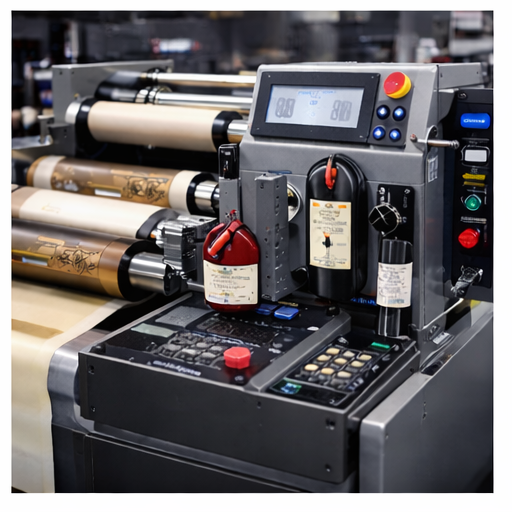
Key structural elements influencing stability include:
● Frame stiffness and load-bearing layout
● Connection accuracy between rotating components
● Resistance to torsional and bending forces
High-speed operation places greater stress on mechanical structures. In conventional rotary layouts, flat or segmented contact surfaces can magnify vibration at higher speeds. Minor alignment errors become more pronounced as rotational speed increases. In a Rotary Die Cutting Machine, this often leads to unstable pressure and inconsistent cutting depth. Structural weaknesses that remain hidden at low speed become critical at higher throughput levels. As a result, cutting accuracy may decline during continuous high-speed production.
Common high-speed risks include:
● Increased vibration and resonance
● Uneven pressure transfer across the die
● Accelerated mechanical wear
Arc-structure layouts follow the natural rotation path of the die cylinder. This design reduces abrupt force transitions during cutting. Continuous curved contact helps stabilize pressure transfer between the die and anvil. In a Rotary Die Cutting Machine, this stability supports smooth material movement. It also limits sudden load changes that cause vibration. Continuous operation becomes more predictable, even as production speed increases.
Stability benefits of arc-structure layouts include:
● Smoother force transmission during rotation
● Reduced mechanical shock at contact points
● More consistent interaction between die and material
Precision control depends on how well the machine maintains consistent cutting conditions. Structural design plays a direct role in this process. Arc-structure layouts support uniform pressure distribution and stable die alignment. In a Rotary Die Cutting Machine, this reduces variation in cutting depth and edge quality. Structural stability also minimizes the need for frequent recalibration. Precision becomes a mechanical outcome rather than a constant adjustment task.
Structural contributions to precision control can be summarized as follows:
Structural Factor | Effect on Precision Control |
Arc-shaped contact path | Stable cutting pressure |
Rigid frame design | Reduced alignment drift |
Smooth force transfer | Consistent cutting depth |
Roll-to-roll processing requires continuous material movement under controlled tension. Any instability can affect cutting accuracy across the web. In a Rotary Die Cutting Machine, unstable structure may cause material shifting or uneven cuts. Arc-structure stability helps maintain consistent contact throughout the process. This is especially important for integrated slitting and die cutting operations. Stable cutting conditions help ensure uniform output from start to finish.
Stability supports roll-to-roll accuracy by:
● Maintaining consistent die-to-material contact
● Reducing material distortion during cutting
● Supporting repeatable results across long runs
Arc-structure and conventional rotary configurations differ in how they manage mechanical contact. Arc-structure designs use a continuous curved contact path. Conventional designs often rely on flat or segmented contact areas. In a Rotary Die Cutting Machine, this difference affects pressure distribution and stability. Arc-structure layouts promote smoother rotation and more consistent contact. Conventional layouts may experience localized stress points during operation.
A structural comparison highlights these differences:
Design Type | Contact Characteristics | Structural Behavior |
Arc-structure | Continuous curved contact | Stable and uniform |
Flat or segmented | Intermittent contact | Variable stress |
Vibration behavior varies significantly between structural designs. Conventional layouts tend to generate higher vibration under load changes. Pressure consistency may fluctuate as contact conditions change. Arc-structure designs reduce vibration by smoothing force application. In a Rotary Die Cutting Machine, consistent pressure supports cleaner cuts. Reduced vibration also helps protect cutting components over time.
Observed differences include:
● Lower vibration levels in arc-structure layouts
● More consistent pressure across the cutting width
● Improved operational smoothness
Structural design directly influences cutting accuracy and repeat precision. Arc-structure layouts help maintain stable cutting geometry during rotation. This stability supports consistent cutting depth and edge quality. In a Rotary Die Cutting Machine, repeat precision improves when structural variation is minimized. Conventional designs may show greater variation between cycles. Structural consistency is therefore a key factor in achieving repeatable results.
Structural impact on precision includes:
● Reduced cycle-to-cycle variation
● More stable die positioning
● Consistent pressure application
Long-run performance depends on how well a machine maintains accuracy over time. Structural fatigue and vibration can degrade performance in conventional designs. Arc-structure layouts help distribute mechanical stress more evenly. In a Rotary Die Cutting Machine, this supports stable performance during extended production runs. It also reduces the likelihood of gradual accuracy loss. Long-run stability is essential for consistent label and adhesive material output.
Key long-run considerations include:
● Structural wear distribution
● Stability under continuous load
● Consistency of cutting results over time
Self-adhesive labels demand tight control over cut depth and edge quality. In a Rotary Die Cutting Machine, small variations can cause incomplete cuts or liner damage. Arc-structure designs help maintain stable contact and pressure during cutting. This stability supports clean edges and consistent label shapes. It also reduces waste caused by miscuts. For high-volume label production, consistent accuracy becomes essential.
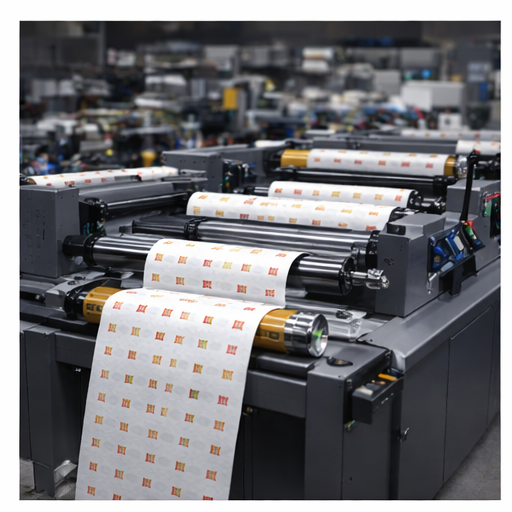
Common requirements in this application include:
● Uniform cut depth across the web
● Clean edges without adhesive residue
● Stable performance during long production runs
Blank adhesive materials are often processed before printing or finishing. They move continuously through the machine at controlled tension. In a Rotary Die Cutting Machine, instability may cause material stretching or uneven cutting. Arc-structure layouts support smooth roll-to-roll movement. Continuous contact helps keep pressure and alignment consistent. This reduces dimensional variation across the roll.
Typical challenges addressed by arc-structure designs include:
● Tension fluctuations during unwinding and rewinding
● Material drift affecting cut alignment
● Inconsistent edge quality across long rolls
Stable structure helps manage these challenges effectively.
Label post-processing often combines die cutting with slitting or rewinding. Each step depends on accurate positioning and repeatable cuts. In a Rotary Die Cutting Machine, errors can accumulate if stability is insufficient. Arc-structure layouts help maintain consistent geometry throughout the workflow. This supports repeatable results from start to finish. Precision becomes easier to maintain across multiple process stages.
Precision-sensitive post-processing tasks include:
● Shape cutting after printing
● Slitting finished label rolls
● Preparing labels for automated application
Arc-structure rotary systems are especially effective in applications requiring long, uninterrupted runs. They perform well when materials are thin or sensitive to pressure variation. In a Rotary Die Cutting Machine, arc-structure stability reduces adjustment frequency. This supports consistent output with less operator intervention. The design also helps maintain quality at higher operating speeds.
Typical use cases include:
● High-volume label production
● Precision cutting of thin adhesive films
● Continuous roll processing with integrated slitting
Material properties strongly influence cutting behavior. Thickness, stiffness, and adhesive type affect how materials respond to pressure. In a Rotary Die Cutting Machine, arc-structure designs help manage sensitive materials. Continuous contact reduces sudden force changes. This supports controlled cutting across different material types.
Key material factors to consider include:
● Material thickness and compressibility
● Adhesive strength and liner properties
● Sensitivity to pressure variation
Higher production speed increases mechanical stress. Without proper structure, precision may decline. Arc-structure layouts help balance speed and stability. In a Rotary Die Cutting Machine, this balance supports consistent cutting at higher throughput. It also reduces vibration-related accuracy loss. Speed should never compromise precision in critical applications.
A balanced evaluation considers:
● Required output rate
● Acceptable tolerance range
● Stability under continuous operation
Not all rotary die cutting machines serve the same purpose. Arc-structure designs focus on mechanical stability and precision. Other configurations may prioritize flexibility or lower complexity. In a Rotary Die Cutting Machine category, arc-structure layouts target accuracy-driven applications. Understanding this role helps users select suitable equipment.
The distinction can be summarized as follows:
Design Focus | Primary Strength |
Arc-structure | Precision and stability |
Conventional layouts | Basic cutting tasks |
Short-term output gains may hide long-term accuracy issues. Structural wear and vibration can reduce consistency over time. Arc-structure designs help distribute mechanical stress evenly. In a Rotary Die Cutting Machine, this supports stable accuracy during extended use. Long-term consistency often outweighs short-term speed increases.
Long-term evaluation should focus on:
● Accuracy retention over long runs
● Stability during continuous operation
● Reduced need for frequent recalibration
Arc-structure design is a key reason behind superior die-cutting precision.
It improves stability, pressure consistency, and repeatable cutting accuracy.In a Rotary Die Cutting Machine, these factors work together during operation.
They support reliable results in precision-focused label production.Zhejiang GREENPRINT Machinery Co.,LTD. applies arc-structure principles in its equipment.
This approach helps users achieve long-term accuracy and stable production value.
A: A Rotary Die Cutting Machine enables continuous, repeatable cutting for high-volume, tight-tolerance label processes.
A: Arc-structure design in a Rotary Die Cutting Machine stabilizes pressure and reduces vibration during rotation.
A: An arc-structure Rotary Die Cutting Machine suits long runs requiring stable accuracy at higher operating speeds.
A: Arc-structure reduces wear, helping a Rotary Die Cutting Machine maintain accuracy with fewer adjustments.
A: A Rotary Die Cutting Machine requires stable materials; large thickness variation may reduce cutting consistency.


